SFCM's Arts Leadership Institute 2026 Focuses on Community Building with LA Phil, SF Symphony, and More
Other ALI 2026 speakers come from Askonas Holt, Music for the Future, the Global Brain Health Institute at UCSF, and SF Opera.

From left: Sarah Little, Kristen Klehr, and Erin Kelly.
SFCM's Arts Leadership Institute, a four-day series of workshops, lectures and panel discussions presented the Conservatory's Professional Development and Engagement Center (PDEC), will kick off on May 26. This year, Professional Development Chair Kristen Klehr's focus for the ALI is on community engagement, and to that end has assembled a deep bench of guests drawn from the West Coast's music ecosystems.
"Community engagement within arts leadership is often about place, practice, and people," Klehr says. "We think of location, a shared interest, an identity or affiliation, but the heart of community engagement is always collaboration over transaction and the impact of these collaborations, measured by the quality of human interactions. For our third year, the ALI is hearing from the best of the West Coast's arts organizations for a holistic view of how organizations from LA to the Bay Area foster connection."
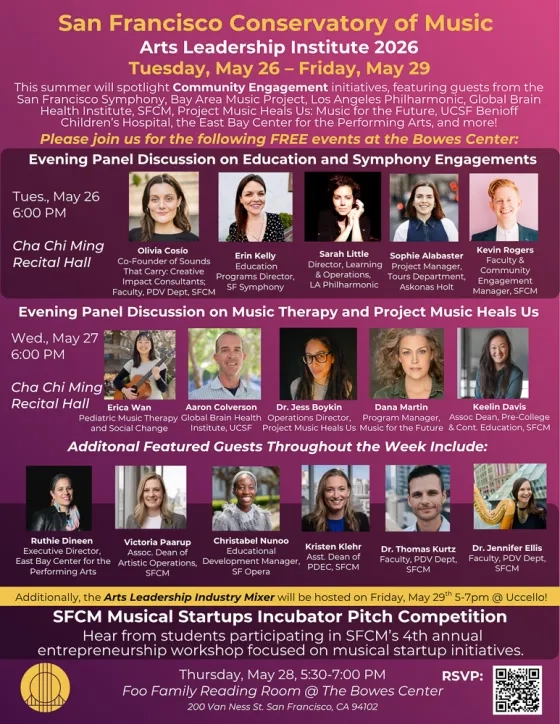
SFCM's Arts Leadership Institute 2026's roster of presenters.
Among the organizations represented are the San Francisco Symphony (Education Programs Director Erin Kelly) and Opera (Educational Development Manager Christabel Nunoo), the LA Philharmonic (Director of Learning & Operations Sarah Little), SFCM partner organization Askonas Holt (Touring Department Project Manager Sophie Alabaster), and the East Bay Center for the Performing Arts (Executive Director Ruthie Dineen). SFCM faculty and staff members Olivia Cosío, Jennifer Ellis, Thomas Kurtz, Tori Paarup, Keelin Davis will also be bringing their considerable expertise to bear and representing the Conservatory's role in the Bay Area arts community.
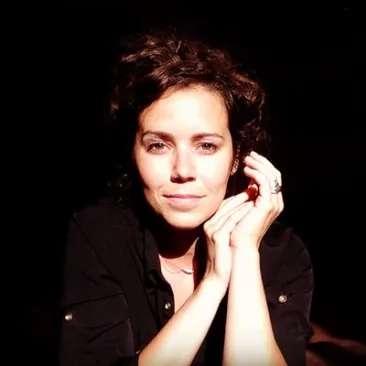
Several speakers arrived in their current position by combining their love of music with a disparate field. For Little (right), that meant starting as a French horn player, transitioning to theater, and via an only-in-LA job as personal assistant to 1980s scream queen Belinda Balaski, starting on a behavioral therapy track, working as a drama therapist and with children on the autism spectrum. Eventually Little wound up with at the LA Phil under then-Music Director Gustavo Dudamel, inspired by his El Sistema-modeled approach to community engagement.
Part of the multi-hyphenate approach, Little says, "is just by intentional individual design, and part of it is institutional need. Kristen Klehr is a perfect example of individual agency to say, 'I want to do that, I want to do that, I want to do that.' And when it comes to performance arts nonprofits, we can all kind of wear multiple hats within our roles. In my early career, it was 'I'll take what I can get, and make it mine.' But as I've gotten older and more deeply rooted in my career, I can make more intentional decisions of what it is that I'm doing, how much time I'm spending doing it, and especially, who the people are I want to be doing it with. It's also being open to my own curiosity that has kind of led me down these different paths."
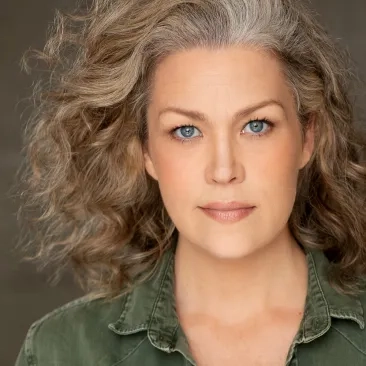
At Project: Music Heals Us, Dana Martin's work is providing music education to incarcerated individuals and those in rehabilitation centers, re-entry programs, and juvenile youth facilities. Specifically, her role concerns Music for the Future, which also involves SFCM Community Management Manager Kevin Rogers and his group Friction Quartet. "We offer a seven-week composition course, during which we go into a facility with a string quartet and occasionally a teaching artist, and for five days in-person, students learn about the elements of a string quartet," Martin explains. "For the next six weeks, online, students learn how to write a composition for a string quartet, and that's ultimately premiered and recorded at SFCM. Students receive five units of academic credit, which is a very big deal for those who are pursuing their GED. We're able to invite friends and family to see this achievement: That is the biggest moment for our students, to be able to share what they're doing with their friends and family, and specifically their children."
Martin (left) reinforces Little's advice. "The reality of life and a career is that it's a marathon, not a sprint: It truly is one step in front of the next. You can get to that main thing you want to do, but it might not happen immediately. So in the meantime, what else interests you about your art form? What else can you turn toward in your art form that keeps you in the room, that keeps you practicing, that keeps you talking about it, but can also pay you—because that's also the reality. You can always go back to your first love, always. It will always be there for you, but your career is long, so see what else you like."
Executive Director at East Bay Center for the Performing Arts in Richmond, Ruthie Dineen (right) is, in addition to that role, a working pianist and composer and a licensed social worker. The EBCPA serves 5000 children and youth ages 3-18, completely tuition free, educating in music, theater and dance and has been around for 58 years, with specialties in West African music and dance and traditional Mexican music.
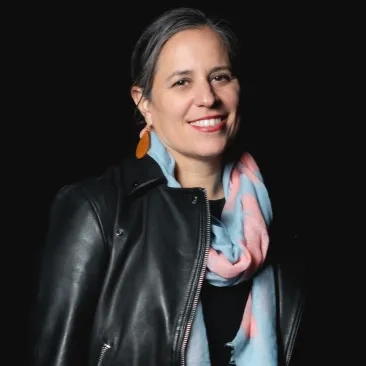
"I didn't see music as a career," Dineen (right) says. "It was fostered in my family, but we were focused on going to college and making a living. My family were very creative, and supportive of the idea of doing what you love, but I just did not see it, there were no role models for me to follow at that time." Dineen wound up majoring in history and minoring in music and then, in her words, "moved to Costa Rica to volunteer and teach music in English, but basically also to isolate myself on the top of a mountain and practice piano and teach for a year and do nothing else."
Dineen earned her master's in social work, and through that, did an informational interview with the former director of the EBCPA that led to her current role. During her first two years working there full-time, she went back and earned a second bachelor's degree in jazz performance. "I never had a grand vision of a career in mind," Dineen says."When an opportunity was good, I took it, generally, and I didn't back away. What my dad always said to me, is 'have a lot of tools in your tool belt.' Most people I gig with don't know I'm a licensed clinical social worker, and a lot of people don't even know that I'm the director of the Center, either. They just know me as the pianist."